



Grain Bin Fire Prevention & Emergency Response
Grain bin fires are one of the most common and dangerous types of silo-related incidents faced by agricultural and industrial facilities. Each year, a significant number of grain bin fires and explosions occur across the United States, posing serious threats to worker safety, equipment, and overall operations. Understanding how these fires start and recognizing early warning signs is critical for prevention. Through proper grain control, routine inspections, equipment maintenance, and employee training, facilities can significantly reduce the risk of fire. The following information outlines the key causes of grain bin fires and practical steps that can be taken to help prevent them.
Most Common Grain Types Involved in Silo Fires:
- Corn
- Soybean
- Wheat
- DDGs
- Rice
Root Cause
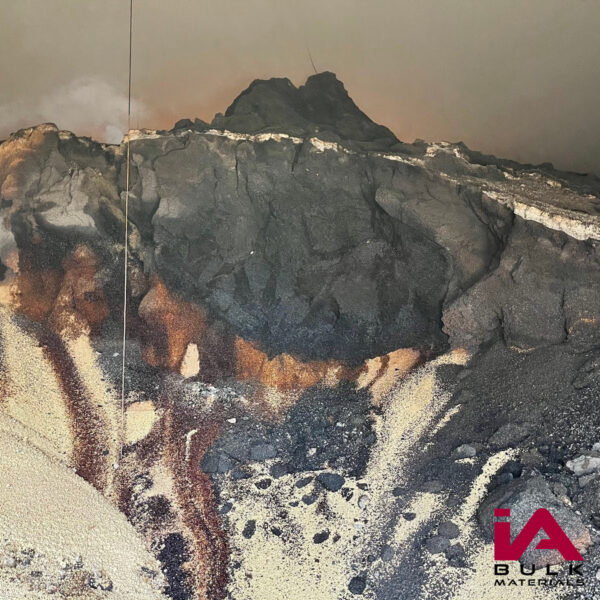
Spontaneous Combustion: Organic materials like grain can self-heat when stored under the wrong conditions. Inside a confined space such as a silo or storage bin, grain continues to respire, especially if the moisture content is too high. This process releases heat, moisture, and carbon dioxide. Without proper airflow, the heat has nowhere to go and begins to build up over time. Areas with compacted grain or poor ventilation are especially prone to rising temperatures. If the heat continues to accumulate unchecked, it can create hotspots or smoldering pockets deep within the grain mass. These smolders can go unnoticed for long periods and, if oxygen is present, may eventually lead to spontaneous ignition.
Water Intrusion: Water intrusion is a major contributor to silo fires, often resulting from silos that are not properly sealed or maintained. When water enters a grain bin, it can raise the moisture content of the stored material, creating ideal conditions for mold growth, self-heating, and fermentation. This combination can cause temperatures within the grain mass to rise, eventually leading to smoldering hotspots and, in severe cases, a full-scale silo fire.
Dust Ignition: Dust accumulation is a very common issue in grain silos, especially if they are not properly maintained. Dust is highly combustible and can ignite quickly if exposed to a heat source. When dust is suspended in a confined space and introduced to a heat source, it quickly becomes a volatile environment. The risk of an explosion becomes very likely. This environment is extremely dangerous as there are not always just a singular explosion. Once there is one explosion, the dust is stirred up even more and you run the risk of a secondary explosion as well.
Electrical Issues: Grain is a highly combustible material and only needs a small source of ignition to form a fire. If a facility is not properly maintained over the years, the risk of experiencing electrical issues that lead to a fire is much higher. Aging wiring, corroded electrical panels, and outdated equipment can all contribute to unsafe conditions. In facilities where grain dust is consistently present, even a minor electrical fault can have severe consequences. Without routine inspections, system upgrades, and adherence to electrical safety standards, these hazards can go undetected until it’s too late.
Failures in Conveyance Equipment: Failures in conveyance equipment are a leading but often overlooked cause of silo fires. When belts or other moving components in conveyors are worn down or not properly maintained, they create excess friction and heat. That heat, combined with the fine dust that tends to collect around conveyors and transfer points, can easily ignite. Since conveyors move material directly in and out of silos, any small fire or smolder that starts in the system can quickly spread inside, where it becomes much harder to control.
Preventative Steps
- Maintain a regular cleaning schedule.
- Ensure that temperature cables are properly installed and functioning correctly.
- Take action early - If you suspect smoldering or hotspots inside of your bin, contact our Emergency Response team immediately!
- Train your staff to recognize the early warning signs of potential grain bin fires.
Are you dealing with a possible grain bin fire?
If you suspect smoldering or hotspots inside of your grain bin, it is time to take action. Our team is equipped with numerous years of experience suppressing silo fires. To learn more about our fire suppression processes, check out our Emergency Silo Fire Response page. Don’t wait until it is too late! Give us a call today at 770-255-1322!
